

Luxonis OAK-FFC-6P
- SKU: MBS-ENTB-81
- GTIN: 0618455047398
- HAN: OAK-FFC-6P
- Category: Development Boards
-
Manufacturers:

Luxonis OAK-FFC-6P
- Connecting up to 6 x OAK FFC Cameras
- improved robustness of FFC connectors
- ESD resistance
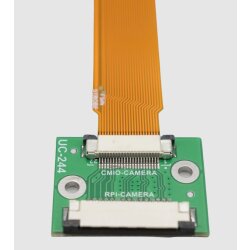
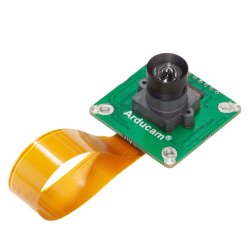
- Ability to work with ArduCam cameras using only an adapter cable
- Standardized pinout
Description
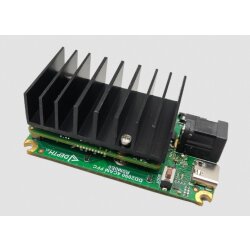
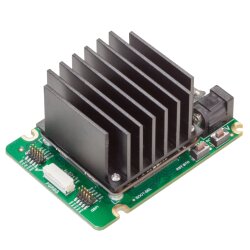
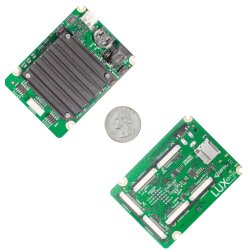
The OAK-FFC-6P uses the OAK-SoM MAX. This contains the new Robotics Vision 3 with a quad-core ARM CPU. Up to six 2-lane MIPI camera modules can be connected. This makes it perfect for rapid prototyping with different stereo baselines, fields of view and image sensor permutations.
Features
- USB-C port: support for USB2 and USB3 protocols (5Gbps/10Gbps).
- 5V power input via barrel jack
- BNO086 IMU single chip sensor: 9 axes and integrated sensor fusion.
- 3.0 TOPS for AI
- Encoding: H.264, H.265, MJPEG - 4K/75FPS, 4K/60FP
- Imaging: ISP, max. 6 cameras, 500MP/s HDR, 3A
- Computer Vision: warp/dewarp, resize, crop via ImageManip nodes, edge detection, feature tracking.
- Stereo depth perception with filtering, post-processing, RGB depth matching and high configurability
- Object tracking: 2D and 3D tracking
Scope of delivery
- OAK-FFC 6P assembly
- Flexible flat cable, 15cm (6pcs)
- Power supply with international adapters
- Cable USB-CA-1m
| Item information | Value |
|---|---|
| Shipping weight: | 0,35 kg |
| Item weight: | 0,30 kg |
Reviews
There are no reviews yet.
Notify me when this item is available
Others also bought:
Similar items