


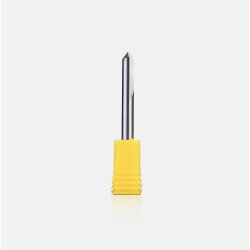
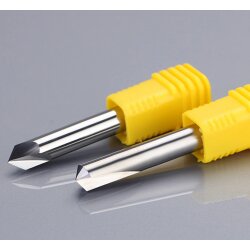

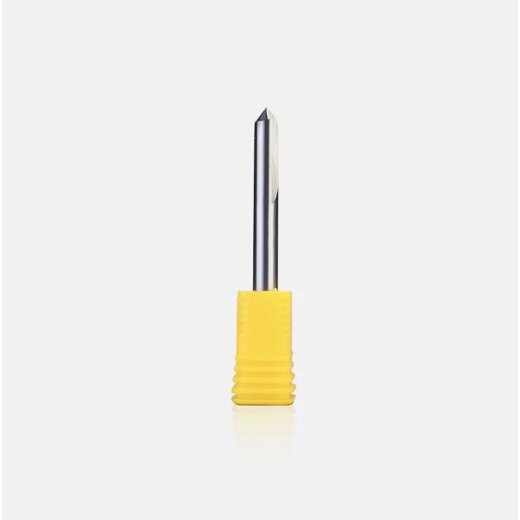
Makera Chamfering Bit - 1/8 Shank
- SKU: MBS-MAK-14
- Category: CNC Milling Maschines & Accessories
-
Manufacturers:

Makera Chamfering Bit - 1/8″ Shank
- Wood
- Plastics
- Composites
- Non-ferrous Metals
Description
The Makera Thread Milling Bit is a highly precise tool, ideal for machining various materials such as wood, plastics, composite materials, and non-ferrous metals. With its robust shank diameter of 3.175 mm and a total length of approximately 38 mm, this tool offers both stability and flexibility in use.
Specifications:
- Shank Diameter: 3.175 mm
- Total Length: ~ 38 mm
- Material: Solid Carbide
Suitable Materials:
Wood
Plastics
Composite materials
Non-Ferrous Metals
Tool Reference Parameters:
The following parameters apply for different materials:
| Tools | Aluminum | Brass | Carbon Fiber | Copper | Hardwood | PCB | Plastic | Softwood |
|---|---|---|---|---|---|---|---|---|
| 0.1 mm * 90° Chamfer | RPM: 12,000 Feed: 600 PFeed: 200 DOC: 0.2 |
RPM: 12,000 Feed: 500 PFeed: 200 DOC: 0.1 |
RPM: 12,000 Feed: 500 PFeed: 200 DOC: 0.1 |
RPM: 12,000 Feed: 500 PFeed: 200 DOC: 0.1 |
RPM: 12,000 Feed: 1,000 PFeed: 500 DOC: 1 |
RPM: 12,000 Feed: 500 PFeed: 200 DOC: 0.1 |
RPM: 12,000 Feed: 1,000 PFeed: 500 DOC: 1 |
RPM: 12,000 Feed: 1,200 PFeed: 500 DOC: 2 |
Package Contents:
- 1x Makera Thread Milling Bit – Shank Diameter 1/8"
The Makera Thread Milling Bit offers excellent performance and durability for demanding machining tasks and is a valuable addition to any workshop.
| Item information | Value |
|---|---|
| Shipping weight: | 0,10 kg |
| Item weight: | 0,10 kg |
Reviews
There are no reviews yet.

